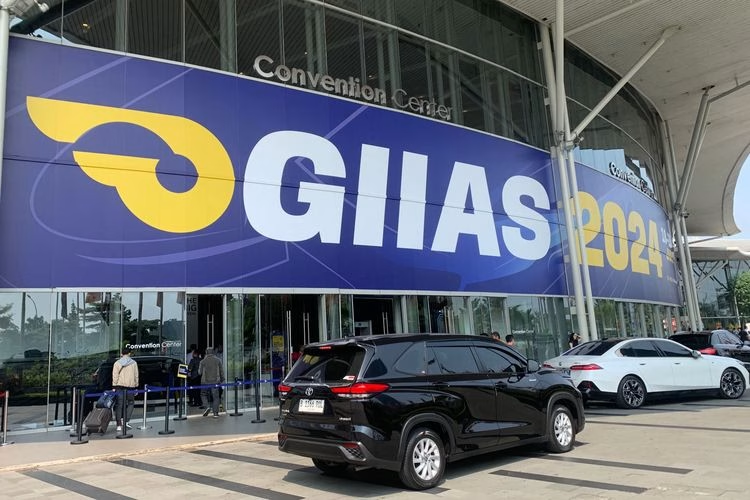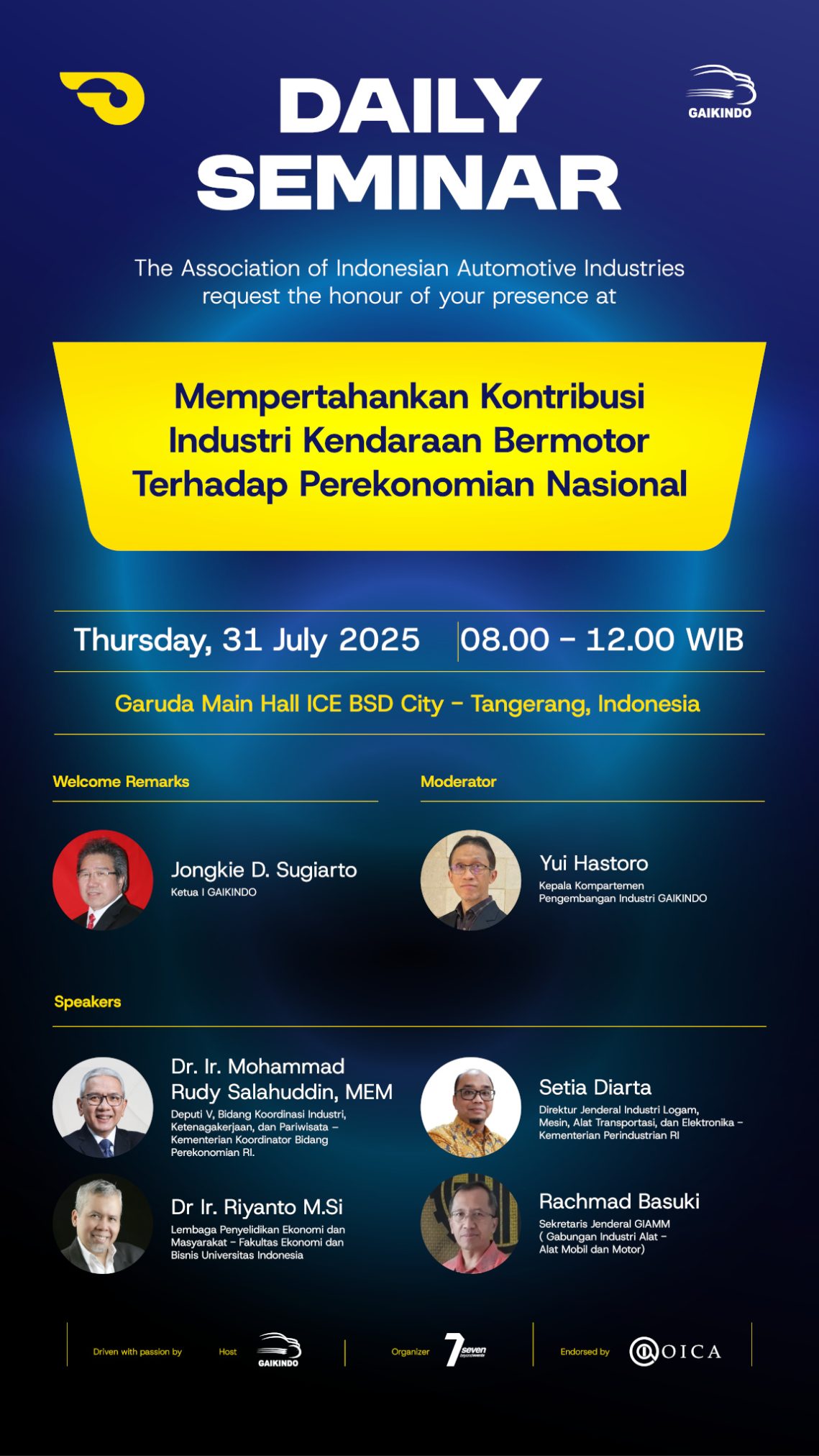


JAKARTA— The Association of Indonesian Automotive Industries (GAIKINDO) emphasized the importance of using Indonesian-made cars. The goal is to strengthen the national automotive industry. The current main focus is the use of commercial vehicles and electric cars—both of which have been produced (assembled) in Indonesia.
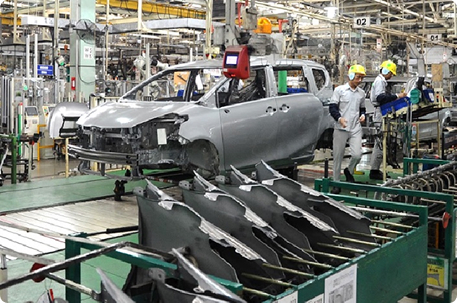
According to GAIKINDO Secretary General Kukuh Kumara, Indonesia has already been capable of producing various types of cars, including electric vehicles, with competitive quality. “Electric cars can also be assembled here, and commercial vehicles, too. Our manufacturing facilities are ready,” Kukuh said in Jakarta on Friday, 30 January 2026.
This encouragement for the public to use Indonesian products is not limited to cars with conventional technology. The push also focuses on the use of cars with alternative fuel technology such as biofuel, ethanol, and biodiesel. The goal is to reduce dependence on imports and increase national energy independence.
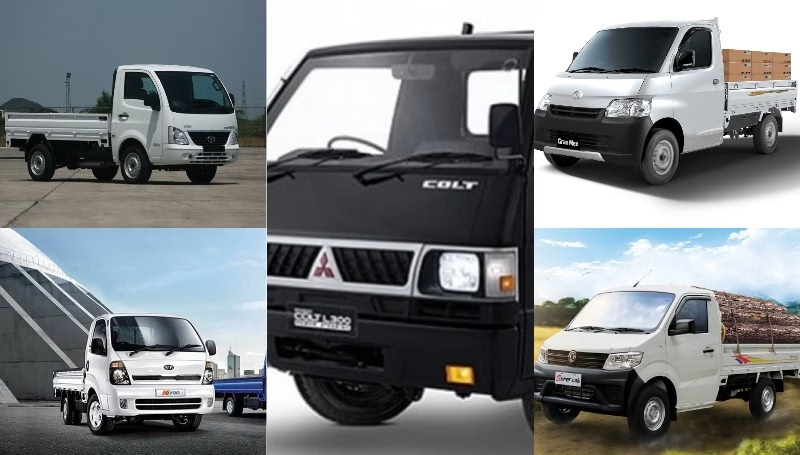
For commercial vehicles, the quality of domestically manufactured truck and bus bodies is already excellent, making them reliable for the logistics and transportation industries. “Why don’t we use domestic products of our own? Our production capacity is already high, and the quality is also good,” he said.
This step aligns with the government’s efforts to encourage vehicle import substitution, particularly in the truck and bus segments. In addition to reducing foreign exchange outflows, this strategy is expected to strengthen the local supply chain and create jobs.
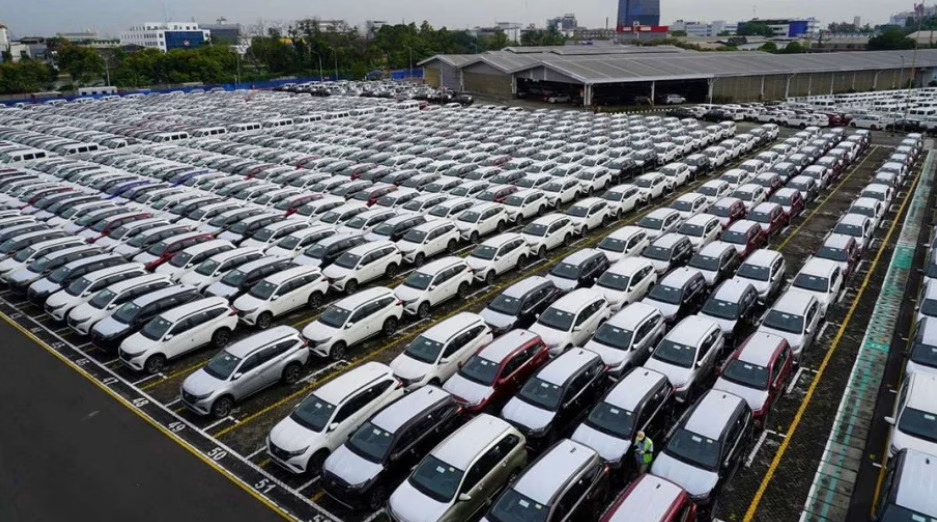
Besides focusing on the domestic market, GAIKINDO also continues to encourage exports of Indonesian-made cars, including electric cars and commercial vehicles. This demonstrates that domestically assembled vehicles are capable of competing in the global market. The success of the local automotive industry depends not only on production capacity but also on consumer support for domestic vehicles. Encouraging the use of local products is key to maintaining industry growth and enhancing national competitiveness.
With its existing production capacity, GAIKINDO is optimistic that Indonesian-made cars, both conventional and electric, can increasingly dominate the domestic market and penetrate the export market. (KOMPAS)